
Baroque
The baroque era is from 1600-1750.

On this website you will find some explanations of the history of three major eras of music. Mainly the Baroque, Classical, and Romantic Eras.
The history of Western music from the Baroque era through the Romantic era shows how styles and tastes changed over time. The Baroque era (1600–1750) is known for its rich, ornate music and complex counterpoint. Composers like Johann Sebastian Bach, George Frideric Handel, and Antonio Vivaldi created music that was both intricate and expressive. During this time, small orchestras and harpsichords were common, and forms such as the fugue, concerto, and oratorio became popular. Baroque music often aimed to move listeners emotionally, using dramatic contrasts in dynamics and texture to create a sense of tension and release. This period set the stage for a shift toward more structured and balanced music in the next era.
The Classical era (1750–1820) focused on clarity, elegance, and balance. Composers like Wolfgang Amadeus Mozart, Joseph Haydn, and Ludwig van Beethoven wrote symphonies, sonatas, and string quartets that emphasized simple, memorable melodies and clear harmonic structure. By the Romantic era (1820–1900), music became more personal and emotional. Composers such as Frédéric Chopin, Pyotr Ilyich Tchaikovsky, and Johannes Brahms expanded orchestras, experimented with bold dynamics, and wrote pieces that told stories or expressed national pride. Music during this time was about feeling as much as form, making each composition a unique expression of the composer’s imagination. The Romantic era led into the next era of the 20's when music started to change forms and become more nuanced as new instruments came to be.
The baroque era is from 1600-1750.

The classical era is from 1750-1820
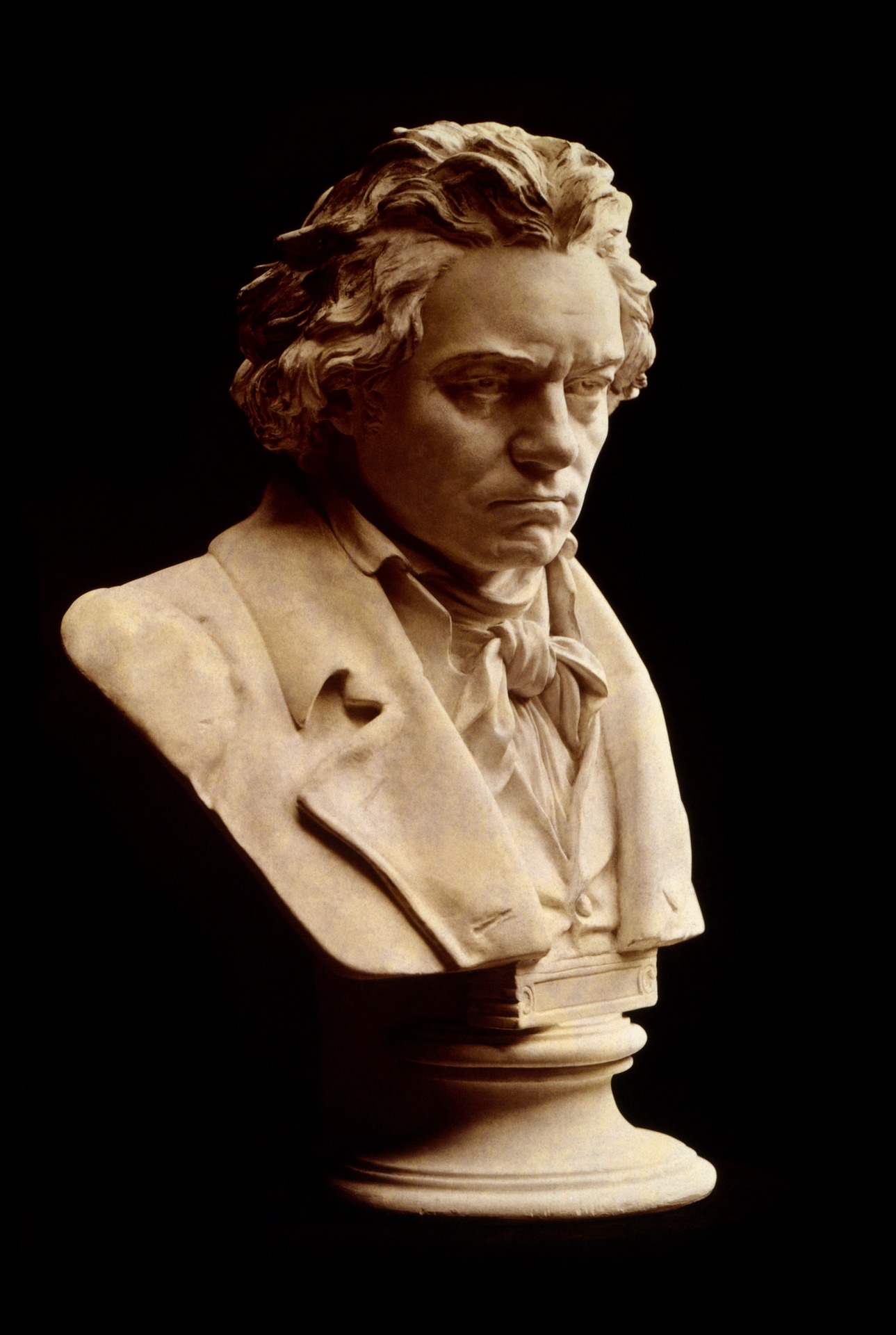
The romantic era is from 1820-1900